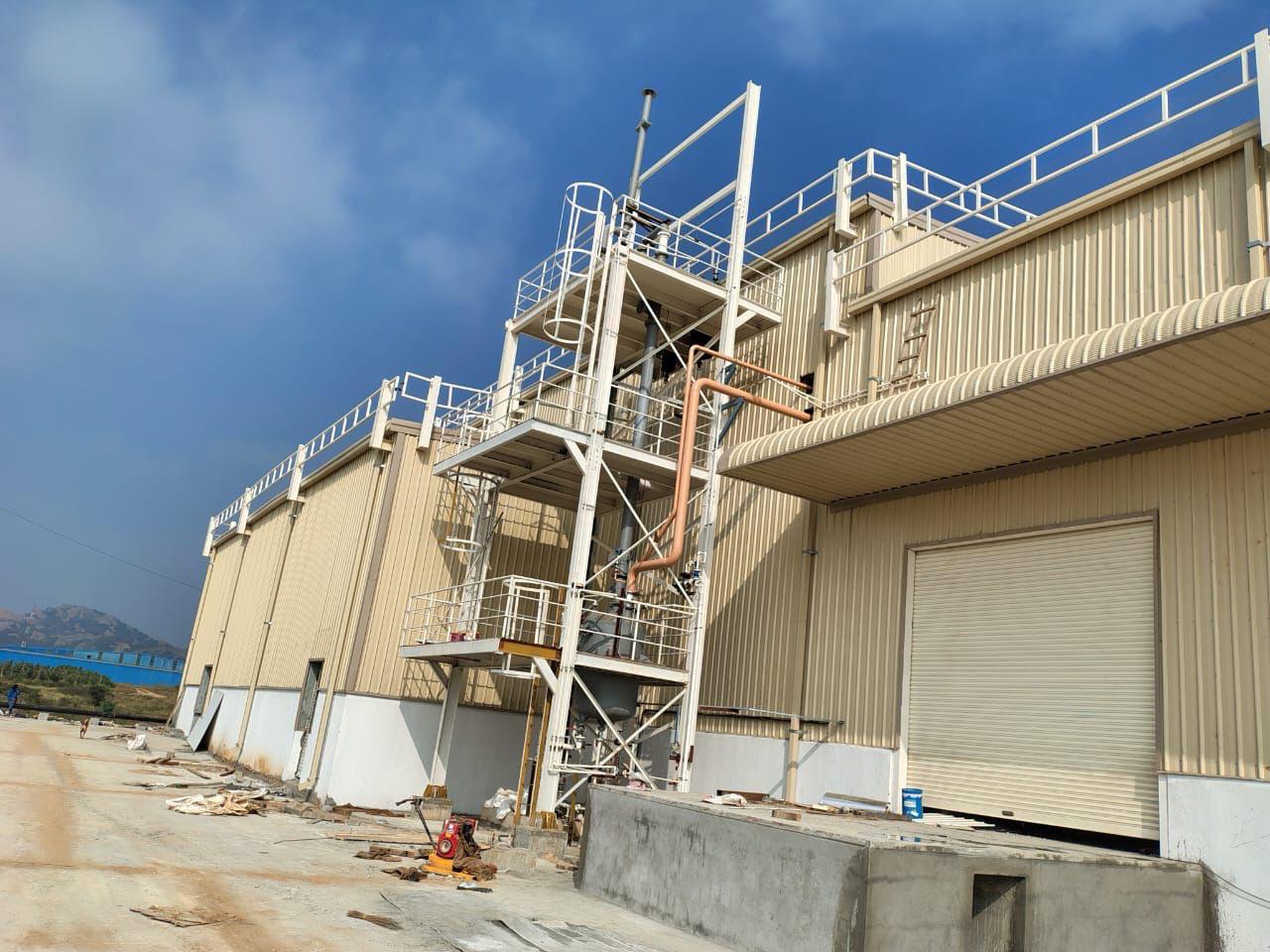
Pre-Engineered Buildings (PEBs) have revolutionized the construction industry by offering faster, cost-effective, and durable building solutions. With rapid industrialization and infrastructure growth in India, PEB structures are becoming the preferred choice across multiple sectors.
Unlike conventional construction methods, PEBs are designed, fabricated, and assembled using advanced engineering techniques. This allows businesses to save time, reduce costs, and achieve superior structural performance.
In this blog, we will explore the major applications of PEB structures, including warehouses, factories, commercial buildings, and many more, along with their benefits and real-world use cases.
Table of Contents
ToggleWhat Are Pre-Engineered Buildings (PEBs)?
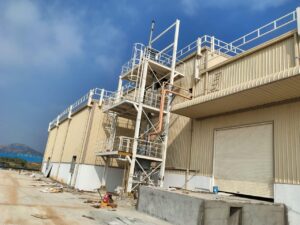
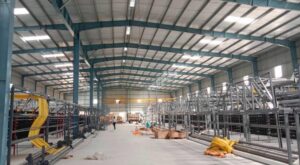
Pre-Engineered Buildings are steel structures that are pre-designed and manufactured in factories before being transported to the construction site for assembly. These buildings consist of primary framing, secondary structural elements, roofing systems, and wall panels.
The key advantage of PEBs lies in their precision engineering, which minimizes material wastage and ensures faster project completion.
Key Benefits of PEB Structures
Before diving into applications, it’s important to understand why PEBs are widely used:
- Faster construction compared to RCC buildings
- Cost-effective due to optimized steel usage
- High durability and strength
- Flexible and customizable designs
- Low maintenance requirements
- Eco-friendly and recyclable materials
These benefits make PEB structures suitable for a wide range of industries.
Major Applications of PEB Structures
1. Warehouses & Logistics Centers
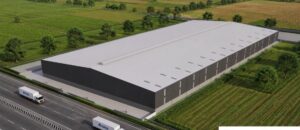
One of the most common applications of PEB structures is in warehousing and logistics.
With the rapid growth of eCommerce and supply chain networks, businesses require large, open spaces for storage and distribution. PEB warehouses provide:
- Large column-free spans
- High load-bearing capacity
- Quick installation
- Easy expansion options
PEBs are ideal for:
- Industrial warehouses
- Cold storage facilities
- Distribution centers
- FMCG storage units
Their ability to be constructed quickly makes them perfect for businesses that need immediate operational space.
2. Industrial Factories & Manufacturing Units
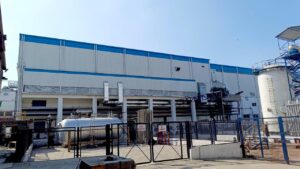
PEBs are extensively used in industrial and manufacturing sectors due to their strength and flexibility.
Factories require robust structures that can handle heavy machinery, vibrations, and operational loads. PEBs offer:
- High structural stability
- Customizable layouts
- Crane support systems
- Efficient ventilation and lighting
Industries that commonly use PEB structures include:
- Automobile manufacturing
- Textile industries
- Food processing units
- Engineering plants
Additionally, PEB factories can be expanded easily as production capacity increases.
3. Commercial Buildings
PEBs are gaining popularity in the commercial construction sector due to their modern design and cost efficiency.
They are widely used for:
- Shopping complexes
- Office buildings
- Showrooms
- Supermarkets
PEBs allow architects to design aesthetically appealing structures while maintaining structural efficiency. Features like glass facades, insulated panels, and modern roofing systems enhance the overall look and performance of commercial buildings.
4. Agricultural Buildings
Agriculture is another sector benefiting from PEB technology. Farmers and agribusinesses use PEBs for:
- Storage of grains and fertilizers
- Poultry farms
- Dairy sheds
- Equipment storage
PEB agricultural structures provide:
- Protection against weather conditions
- Proper ventilation
- Cost-effective construction
These buildings help improve productivity and reduce post-harvest losses.
5. Aircraft Hangars & Transportation Structures
PEBs are widely used in aviation and transportation sectors due to their ability to cover large spans without internal columns.
Applications include:
- Aircraft hangars
- Metro stations
- Bus terminals
- Railway sheds
The key advantage here is the ability to create wide, unobstructed spaces that are essential for movement and storage of large vehicles.
6. Sports Complexes & Stadiums
PEB structures are an excellent choice for sports facilities due to their flexibility and durability.
They are used for:
- Indoor stadiums
- Gymnasiums
- Swimming pool enclosures
- Multi-purpose sports halls
PEBs allow for:
- Large clear-span areas
- Quick construction timelines
- Weather-resistant structures
This makes them ideal for both public and private sports infrastructure projects.
7. Institutional Buildings
Educational institutions and public sector organizations are increasingly adopting PEB construction.
Applications include:
- Schools and colleges
- Training centers
- Auditoriums
- Hospitals
PEBs offer cost savings and faster completion, which is especially beneficial for government and institutional projects with tight budgets and deadlines.
8. Retail & Showrooms
Retail businesses require attractive and functional spaces to display products. PEBs are widely used for:
- Automobile showrooms
- Retail outlets
- Hypermarkets
- Exhibition halls
The flexibility in design allows businesses to create visually appealing spaces while ensuring structural efficiency.
9. Residential & Temporary Structures
Although traditionally used in industrial sectors, PEBs are now being used for residential and temporary structures such as:
- Site offices
- Labor camps
- Modular homes
- Emergency shelters
These structures are quick to install and can be relocated if needed, making them highly practical.
10. Cold Storage & Refrigeration Units
PEBs are ideal for temperature-controlled environments such as cold storage facilities.
They support:
- Insulated panels
- Controlled environments
- Energy-efficient designs
This is especially important for industries like pharmaceuticals, food processing, and agriculture.
Why PEB Structures Are the Future of Construction
The increasing demand for faster, more efficient construction solutions has positioned PEBs as the future of the building industry.
Key reasons include:
- Growing industrialization in India
- Expansion of logistics and warehousing sectors
- Need for sustainable construction
- Rising labor and material costs in traditional construction
PEBs address all these challenges effectively, making them a smart investment for businesses.
Conclusion
Pre-Engineered Buildings have transformed the way modern structures are designed and constructed. From warehouses and factories to commercial spaces and agricultural buildings, PEBs offer unmatched versatility and efficiency.
Their ability to deliver high performance at lower costs makes them an ideal solution for a wide range of applications. As industries continue to evolve, the demand for PEB structures is expected to grow significantly in the coming years.
If you’re planning a construction project, choosing a PEB solution can help you achieve faster completion, cost savings, and long-term durability.
Frequently Asked Questions
1. What are the main applications of PEB structures?
PEB structures are widely used in warehouses, factories, commercial buildings, agricultural facilities, aircraft hangars, and sports complexes.
2. Why are PEBs preferred for warehouse construction?
PEBs provide large column-free spaces, faster construction, and cost efficiency, making them ideal for warehouses and logistics centers.
3. Can PEB structures be used for commercial buildings?
Yes, PEBs are increasingly used for offices, malls, and showrooms due to their modern design flexibility and cost-effectiveness.
4. Are PEB buildings durable?
Yes, PEB structures are highly durable, resistant to environmental conditions, and require minimal maintenance.
5. Can PEB structures be expanded in the future?
Yes, one of the biggest advantages of PEBs is their flexibility, allowing easy expansion and modification.
6. Are PEB buildings environmentally friendly?
Yes, PEBs use recyclable steel and generate less construction waste, making them an eco-friendly building solution.