The construction industry in India is changing rapidly as businesses look for faster, stronger, and more cost-effective solutions for industrial and commercial buildings. One construction method that has gained significant popularity is Pre-Engineered Building (PEB) construction.
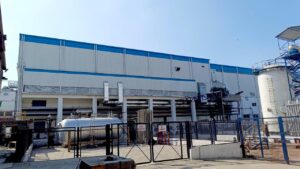
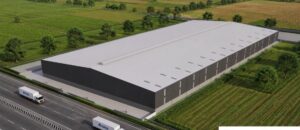
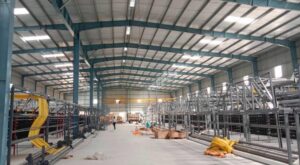
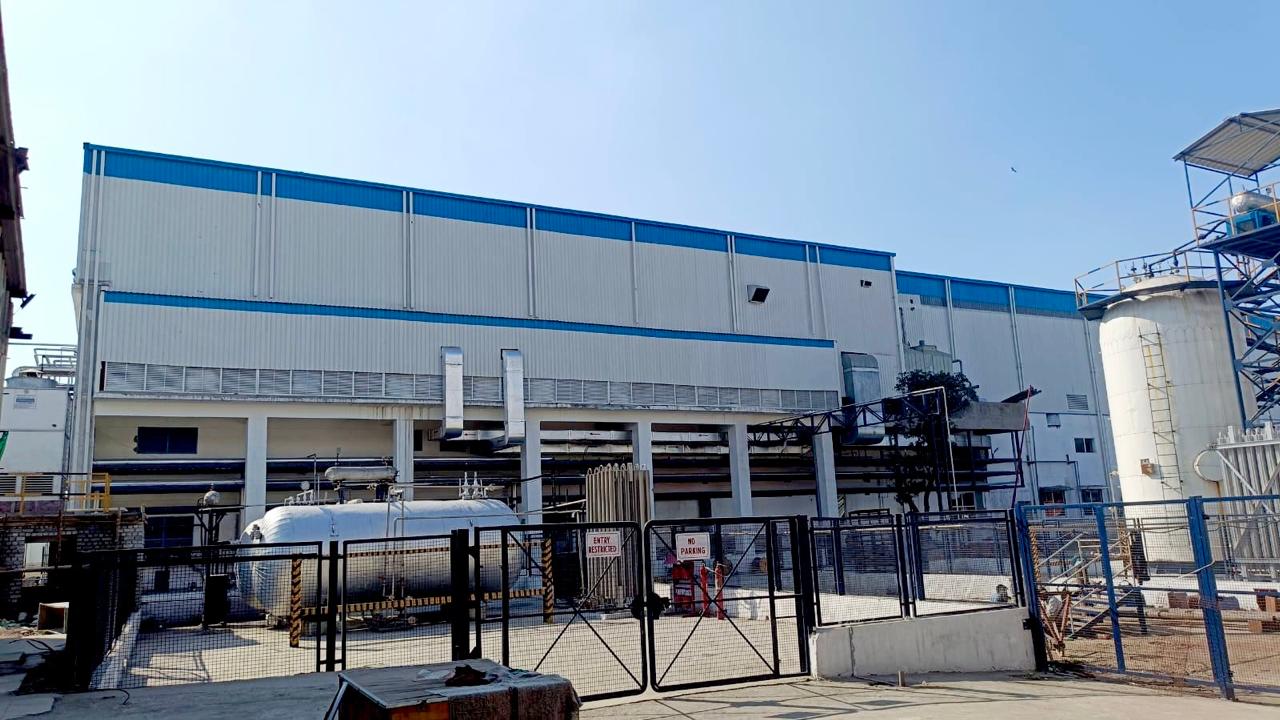
PEB construction is widely used for warehouses, factories, manufacturing units, logistics facilities, cold storage buildings, workshops, commercial structures, and other industrial applications. Compared with conventional construction methods, PEB systems can reduce construction time, provide better quality control, and offer flexibility for future expansion.
With the growth of manufacturing, logistics, e-commerce, infrastructure, and industrial development in India, the demand for PEB construction is expected to continue increasing. At the same time, new technologies, advanced software, automation, better materials, and improved construction practices are making PEB buildings more efficient.
This article explains the latest trends in PEB construction in India, emerging technologies, key benefits, and the future of industrial buildings.
Table of Contents
ToggleWhat Is PEB Construction?
Pre-Engineered Building construction is a modern building method in which major structural components are manufactured in a controlled factory environment according to the requirements of a specific project.
These components are then transported to the construction site and assembled using appropriate connections and installation methods.
A typical PEB system may include:
- Primary structural frames
- Secondary structural members
- Roofing systems
- Wall cladding
- Bracing systems
- Fasteners and connections
- Insulation systems
- Doors and windows
- Mezzanine floors where required
- Accessories and supporting components
The controlled manufacturing process helps maintain consistency and accuracy in structural components. It also allows many activities to be completed simultaneously, helping reduce the overall project timeline.
Why Is PEB Construction Growing in India?
India is experiencing strong growth in manufacturing, warehousing, logistics, e-commerce, food processing, automobiles, pharmaceuticals, and infrastructure.
These industries require large functional spaces that can be constructed within practical timelines. PEB construction can meet many of these requirements because structural components are manufactured before they reach the construction site.
Some important reasons behind the increasing adoption of PEB construction include:
Faster Construction
One of the biggest advantages of PEB construction is reduced construction time. Manufacturing of structural components can take place while foundation and other site activities are progressing.
This parallel approach can help businesses start their operations earlier.
Better Quality Control
Manufacturing structural components in a controlled environment allows better monitoring of materials, fabrication processes, dimensions, and quality standards.
This can result in greater consistency between individual structural components.
Cost Efficiency
PEB construction can provide cost advantages through efficient material utilization, faster installation, reduced site work, and lower construction-related labor requirements.
The final cost depends on factors such as building size, location, steel prices, soil conditions, loading requirements, roofing, insulation, and other project specifications.
Flexibility for Expansion
Many industrial businesses need additional space as their operations grow. PEB buildings can provide flexibility for future expansion when the structure is planned with possible extensions in mind.
Suitable for Large Industrial Spaces
Factories, warehouses, logistics centers, workshops, and manufacturing facilities often require large open areas. PEB systems are suitable for many such applications.
Latest Trends in PEB Construction in India
The PEB industry is evolving with new technologies, materials, construction techniques, and project requirements.
Here are some of the major trends shaping PEB construction in India.
1. Advanced Structural Analysis and Software
Modern engineering software has become an important part of PEB projects.
Advanced structural analysis tools can help engineers evaluate factors such as:
- Dead loads
- Live loads
- Wind loads
- Seismic forces
- Roof loads
- Temperature effects
- Structural connections
These technologies can improve accuracy during engineering and help optimize structural components according to project requirements.
2. Building Information Modeling and Digital Workflows
Digital construction workflows are becoming increasingly important in the Indian construction sector.
Building Information Modeling, commonly known as BIM, allows different project elements to be represented digitally. It can help teams coordinate structural, architectural, electrical, and mechanical requirements.
For large industrial projects, better coordination can help identify potential conflicts before construction begins.
3. Computer-Controlled Manufacturing
Automation is becoming increasingly common in steel fabrication.
Computer-controlled machinery can improve cutting, drilling, welding, and fabrication accuracy. Automated manufacturing can also help reduce human errors and improve production consistency.
As manufacturing technology continues to develop, PEB companies can produce structural components more efficiently.
4. High-Strength Steel
The use of higher-strength steel is another important trend in modern PEB construction.
Depending on project requirements and applicable standards, high-strength materials can help achieve efficient structural systems while maintaining required strength and performance.
Material selection should always be based on engineering calculations, applicable standards, project conditions, and safety requirements.
5. Better Insulation Systems
Energy efficiency is becoming increasingly important for industrial buildings.
Warehouses, factories, cold storage facilities, and commercial buildings may require effective thermal insulation depending on their application and location.
Modern insulation solutions can help control indoor temperatures and reduce heat transfer through roofs and walls.
Common insulation materials may include:
- Rock wool
- Glass wool
- Polyurethane-based insulation
- Polyisocyanurate insulation
- Other application-specific systems
The appropriate insulation system depends on the building’s use, climatic conditions, fire requirements, and energy goals.
6. Energy-Efficient Industrial Buildings
Industrial businesses are increasingly focusing on reducing operational costs.
PEB buildings can incorporate energy-efficient features such as:
- Natural daylighting
- Ventilation systems
- Roof insulation
- Energy-efficient lighting
- Solar power systems
- Efficient HVAC systems
- Reflective roofing solutions
These features can help reduce energy consumption when properly planned for the building’s operational requirements.
7. Solar Rooftop Integration
India’s growing focus on renewable energy is also influencing industrial construction.
Large factory and warehouse roofs can provide considerable surface area for solar photovoltaic systems.
Solar rooftop systems can help businesses generate electricity on-site and reduce dependence on conventional power sources, subject to site conditions and technical feasibility.
8. Smart Industrial Buildings
Industrial buildings are gradually becoming more connected through sensors, monitoring systems, automation, and digital management platforms.
Future industrial facilities may use smart systems for:
- Energy monitoring
- Temperature monitoring
- Security
- Equipment management
- Lighting control
- Fire and safety monitoring
- Building performance tracking
The combination of PEB construction and smart technology can create more efficient industrial facilities.
Role of Technology in the Future of PEB Construction
Technology will continue to influence the way PEB buildings are engineered, manufactured, transported, and assembled.
Automation in Manufacturing
Automated machines can perform repetitive fabrication activities with high levels of consistency.
This can improve production efficiency and reduce fabrication errors.
Digital Project Coordination
Digital platforms can allow different project teams to share drawings, specifications, schedules, and project information.
Better coordination can help reduce delays caused by communication gaps.
3D Modeling
Three-dimensional digital models can help project teams understand structural arrangements before fabrication and installation.
This can also help identify potential coordination issues at an early stage.
Cloud-Based Project Management
Cloud-based systems allow project information to be accessed by authorized teams from different locations.
This is particularly useful for large industrial projects involving manufacturers, contractors, consultants, suppliers, and clients.
PEB Construction for Warehouses and Logistics Facilities
The growth of e-commerce and organized logistics has increased demand for modern warehouses across India.
PEB construction is suitable for many warehouse applications because these buildings often require:
- Large storage areas
- Open floor spaces
- High clear heights
- Loading and unloading areas
- Efficient material movement
- Fast construction
- Future expansion possibilities
Logistics parks and distribution centers are also being developed across major industrial corridors and cities.
As India’s supply-chain infrastructure continues to expand, PEB construction is expected to remain an important solution for warehouse development.
PEB Construction for Manufacturing Plants
Manufacturing facilities have specific structural and operational requirements.
A factory may need space for:
- Production machinery
- Raw material storage
- Finished goods
- Material handling equipment
- Cranes
- Offices
- Utility areas
- Maintenance facilities
PEB systems can be adapted to various industrial requirements, subject to proper structural engineering and project planning.
The structure can also be integrated with other building systems required for the manufacturing process.
PEB and Sustainable Construction in India
Sustainability is becoming a major consideration for businesses and infrastructure developers.
PEB construction can support sustainability objectives through efficient material utilization, controlled manufacturing, recyclable steel, reduced construction waste, and integration of energy-efficient systems.
Steel is also a highly recyclable construction material. At the end of a building’s useful life, steel components can be recovered and recycled.
Other sustainability measures can include:
- Solar power
- Rainwater harvesting
- Energy-efficient lighting
- Natural ventilation
- Thermal insulation
- Daylighting
- Efficient water management
The actual environmental performance depends on the complete building system and how it is operated throughout its lifecycle.
Future of PEB Construction in India
The future of PEB construction in India looks promising because industrial development is expected to remain an important part of the country’s economic growth.
Several sectors are likely to contribute to future demand.
Growth of Manufacturing
The expansion of manufacturing facilities will create demand for factories, production units, storage buildings, and supporting infrastructure.
Expansion of E-Commerce
E-commerce companies require distribution centers and warehouses across different regions.
This will continue creating opportunities for fast and scalable industrial construction.
Growth of Logistics Parks
India’s improving road, rail, port, and freight infrastructure is supporting the development of logistics parks and distribution facilities.
PEB systems can provide practical solutions for many of these projects.
Cold Storage and Food Processing
The growth of food processing, agriculture supply chains, pharmaceuticals, and temperature-controlled logistics is increasing the need for specialized facilities.
PEB structures combined with suitable insulation and building systems can be used for several such applications.
Renewable Energy Infrastructure
Solar manufacturing, equipment storage, renewable energy projects, and related industrial facilities are also creating new construction opportunities.
Industrial Corridors
The development of industrial corridors and economic zones across India can further increase demand for factories, warehouses, workshops, and commercial industrial buildings.
Challenges in PEB Construction
Although PEB construction offers many advantages, proper planning is essential.
Some common challenges include:
Transportation
Large structural components need to be transported from the manufacturing facility to the project site. Transportation planning is therefore important.
Site Conditions
Soil conditions, foundation requirements, drainage, accessibility, and local weather conditions need to be evaluated before construction.
Engineering Requirements
Every project has different loading, span, height, usage, and environmental requirements. Proper structural calculations are essential.
Skilled Installation
The quality of the completed building depends not only on manufacturing but also on correct transportation, assembly, connections, and site installation.
Local Regulations
Projects must comply with applicable building codes, safety requirements, environmental regulations, and local approvals.
How to Choose a PEB Company in India
Selecting the right PEB company is an important decision for an industrial construction project.
Businesses should consider:
- Experience in similar projects
- Manufacturing capabilities
- Engineering expertise
- Quality-control procedures
- Material quality
- Project execution capabilities
- Installation experience
- Safety practices
- Delivery timelines
- After-sales support
- Previous project experience
It is also useful to review completed industrial projects and understand whether the company has experience with the specific type and size of building required.
Conclusion
PEB construction is becoming an important part of India’s industrial construction sector. Growing demand from manufacturing, logistics, warehousing, e-commerce, food processing, pharmaceuticals, and infrastructure is creating new opportunities for PEB buildings.
At the same time, technologies such as advanced structural software, automated manufacturing, digital coordination, 3D modeling, high-strength steel, improved insulation, and smart building systems are changing the way industrial buildings are constructed.
The future of PEB construction in India will likely focus on speed, efficiency, technology, sustainability, scalability, and better project coordination.
For businesses planning factories, warehouses, logistics facilities, workshops, or other industrial buildings, PEB construction can provide a practical solution when
Frequently Asked Questions About PEB Construction in India
1. What is PEB construction?
PEB construction stands for Pre-Engineered Building construction. It involves manufacturing major structural components in a controlled facility and assembling them at the project site according to engineering requirements.
2. Why is PEB construction becoming popular in India?
PEB construction is becoming popular because it can offer faster construction, efficient material utilization, controlled manufacturing quality, flexibility, and suitability for industrial and commercial applications.
3. Where are PEB buildings commonly used?
PEB buildings are commonly used for warehouses, factories, manufacturing plants, logistics centers, workshops, cold storage facilities, agricultural buildings, commercial structures, and other industrial applications.
4. Is PEB construction suitable for warehouses?
Yes. PEB construction is widely used for warehouses because it can provide large usable spaces, high clear heights, efficient installation, and flexibility for future expansion.
5. How long does PEB construction take?
The construction timeline varies depending on the building size, engineering requirements, foundation work, manufacturing schedule, transportation, site conditions, and installation requirements. PEB construction can generally reduce the overall project timeline compared with many conventional construction approaches.
6. Is PEB construction suitable for Indian weather conditions?
Yes, PEB buildings can be engineered for different Indian climatic conditions, including areas with high wind, heavy rainfall, or seismic activity. The structure should be engineered according to applicable codes and the specific environmental conditions of the project location.
7. What is the future of PEB construction in India?
The future of PEB construction in India is expected to remain strong due to growth in manufacturing, e-commerce, logistics, warehousing, food processing, pharmaceuticals, renewable energy, and industrial infrastructure. Automation, digital technologies, energy-efficient systems, and advanced materials are also expected to influence the next generation of PEB projects.