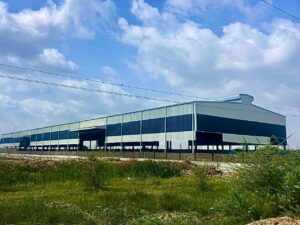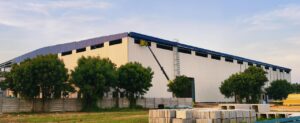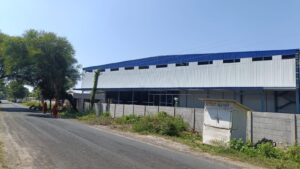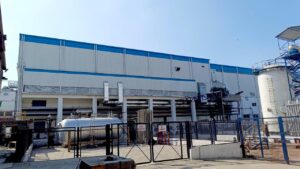
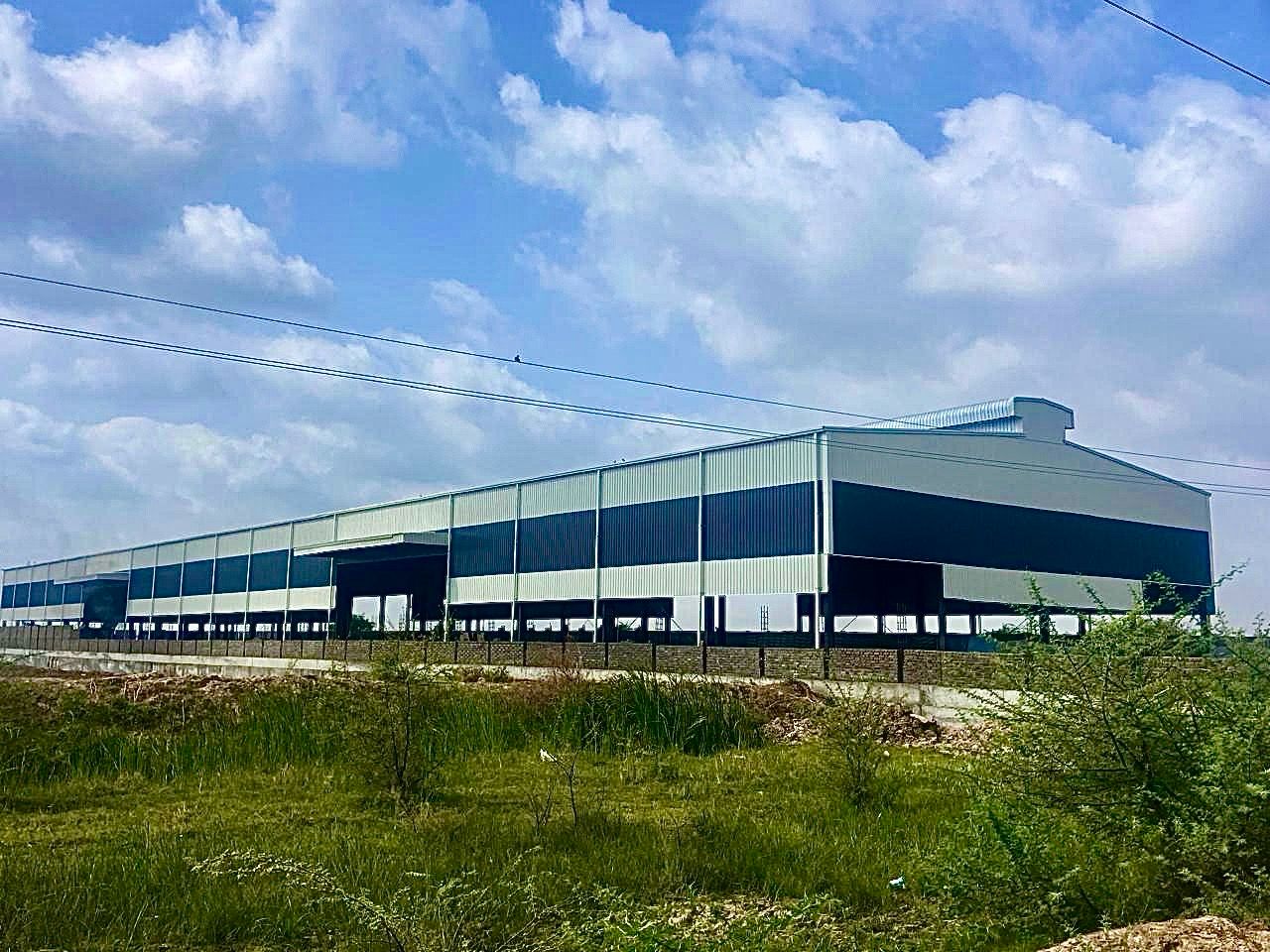
Every year, the Indian monsoon tests buildings in ways few other climates do. Weeks of continuous rainfall, sudden cloudbursts, waterlogging, high humidity, and gusty winds put immense stress on roofs, walls, and foundations. For industries running warehouses, factories, and commercial facilities, a structure that can’t handle the monsoon isn’t just an inconvenience — it’s a direct threat to inventory, machinery, and operations.
Traditional brick-and-mortar or RCC construction has long been the default choice in India, but it wasn’t built with today’s monsoon intensity or project timelines in mind. Pre-Engineered Buildings (PEB) offer a fundamentally different approach — one that’s engineered from the ground up to handle monsoon conditions better, faster, and with far less long-term maintenance. Here’s how PEB structures outperform traditional solutions when the rains hit hard.
Table of Contents
ToggleWatertight Roofing That Traditional Sheets Can’t Match
Roof leakage is the single biggest monsoon complaint in traditional Indian buildings. Ordinary corrugated sheets and RCC roofs develop seepage points at joints, cracks, and expansion gaps over time. PEB structures use advanced Roofing & Cladding Systems with interlocking standing-seam profiles and concealed fastener technology, eliminating the exposed screw holes and overlap gaps that cause most monsoon leaks in conventional roofing.
Steep, Calculated Roof Slopes for Fast Water Drainage
Traditional flat or low-slope RCC roofs are prone to water pooling, which increases the load on the structure and accelerates waterproofing failure. PEB roof slopes are calculated specifically for the rainfall intensity of the project location, allowing water to drain quickly instead of collecting. This calculation is handled during the Capabilities stage of every project, where rainfall data and site conditions shape the final roof geometry before fabrication even begins.
Corrosion-Resistant Steel Built for Humidity
Continuous monsoon humidity accelerates corrosion in poorly protected metal and weakens the bonding strength of cement-based structures over time. PEB steel components are treated with galvanized and painted coatings specifically formulated to resist rust in high-moisture environments, giving them a service life that traditional untreated materials simply can’t match in India’s monsoon belt.
No Cracking, No Seepage Through Walls
Brick-and-mortar walls absorb moisture over repeated monsoon cycles, leading to seepage, efflorescence, and eventual cracking. Metal wall panels used in PEB construction are non-porous and sealed at every joint, preventing moisture absorption entirely. This keeps interiors dry and protects stored goods, equipment, and finishes from monsoon dampness.
Elevated Foundations and Proper Drainage Planning
Waterlogging around a building’s base is a common monsoon problem, especially in low-lying industrial zones. PEB projects are planned with proper site grading, elevated plinth levels, and integrated drainage paths as part of the overall Primary Framing System planning, reducing the risk of water entry even during heavy, sustained rainfall.
Faster Construction Means Fewer Monsoon Delays
Traditional construction is highly vulnerable to monsoon disruption — wet cement won’t cure properly, brickwork can’t proceed in heavy rain, and project timelines routinely stretch by months. PEB components are fabricated off-site in a controlled plant environment and simply assembled on location, meaning the bulk of the work isn’t weather-dependent at all. This dramatically shortens project timelines and keeps monsoon-season delays to a minimum.
Consistent Quality Regardless of Weather Conditions
On traditional job sites, monsoon rain often compromises curing time, mortar consistency, and workmanship quality — all of which affect long-term durability. Because PEB components are manufactured in a factory-controlled setting, our Plant Capabilities ensure every beam, panel, and connector meets the same precise standard, unaffected by the weather outside.
Lower Long-Term Maintenance After Every Monsoon Season
Traditional structures typically need re-waterproofing, plastering repairs, and paint touch-ups after every monsoon cycle. PEB structures, with their corrosion-resistant steel and sealed panel systems, require significantly less upkeep year after year, translating into real savings on maintenance budgets over the building’s lifespan.
Proven Across India’s Toughest Monsoon Regions
From coastal facilities to industrial hubs across humid northern and eastern India, pre-engineered buildings have consistently held up through repeated monsoon seasons without the recurring leak-and-repair cycle traditional structures face. You can explore examples of this performance across our Completed Projects, spanning a wide range of monsoon-exposed locations throughout the country.
Final Thoughts
The Indian monsoon isn’t getting any gentler, and traditional construction methods are increasingly showing their limitations when it comes to speed, water resistance, and long-term durability. Pre-engineered steel structures offer a proven alternative — one that’s built to handle heavy rainfall, humidity, and waterlogging while keeping construction timelines and maintenance costs firmly under control.
If you’re planning a monsoon-ready facility for your business, explore our PEB Overview or reach out through our Contact Us page to discuss your project requirements.
Frequently Asked Questions
1. Are PEB structures actually better than RCC buildings during monsoon season?
Yes, in most practical scenarios. PEB roofing and wall systems are engineered specifically to shed water quickly and resist moisture absorption, while RCC and brick structures are more prone to seepage, cracking, and long-term water damage.
2. Do metal buildings leak during heavy rainfall?
Well-engineered PEB roofing systems use interlocking seams and concealed fasteners, which significantly reduce leak points compared to traditional corrugated sheets or aging RCC roofs.
3. Can PEB structures handle waterlogging in low-lying industrial areas?
Yes. Site grading, elevated plinth levels, and proper drainage planning are built into the overall structural planning process, reducing the risk of water entry even in flood-prone zones.
4. Does humidity affect the lifespan of a metal building?
Not significantly, as long as the steel is properly coated. Galvanized and painted finishes are specifically formulated to resist corrosion in high-humidity, monsoon-heavy environments.
5. How much faster is PEB construction compared to traditional building methods during monsoon?
Since most fabrication happens off-site in a controlled plant, PEB construction avoids many of the weather-related delays that slow down traditional cement and brick construction, often cutting overall project timelines significantly.
6. Do PEB buildings need frequent maintenance after monsoon season?
No. Corrosion-resistant steel and sealed panel systems mean PEB structures typically need far less post-monsoon repair work than traditional buildings, which often require re-waterproofing and plastering every season.
7. Are PEB structures suitable for coastal and high-rainfall regions of India?
Yes. PEB structures are commonly used across coastal and high-rainfall states, with coatings and structural planning tailored to the specific humidity and rainfall levels of each location.
8. Can existing traditional buildings be supplemented with PEB structures for better monsoon performance?
Yes. Many businesses add PEB warehouses, shelters, or expansion units alongside existing traditional structures specifically to get better monsoon resilience without demolishing what’s already in place.